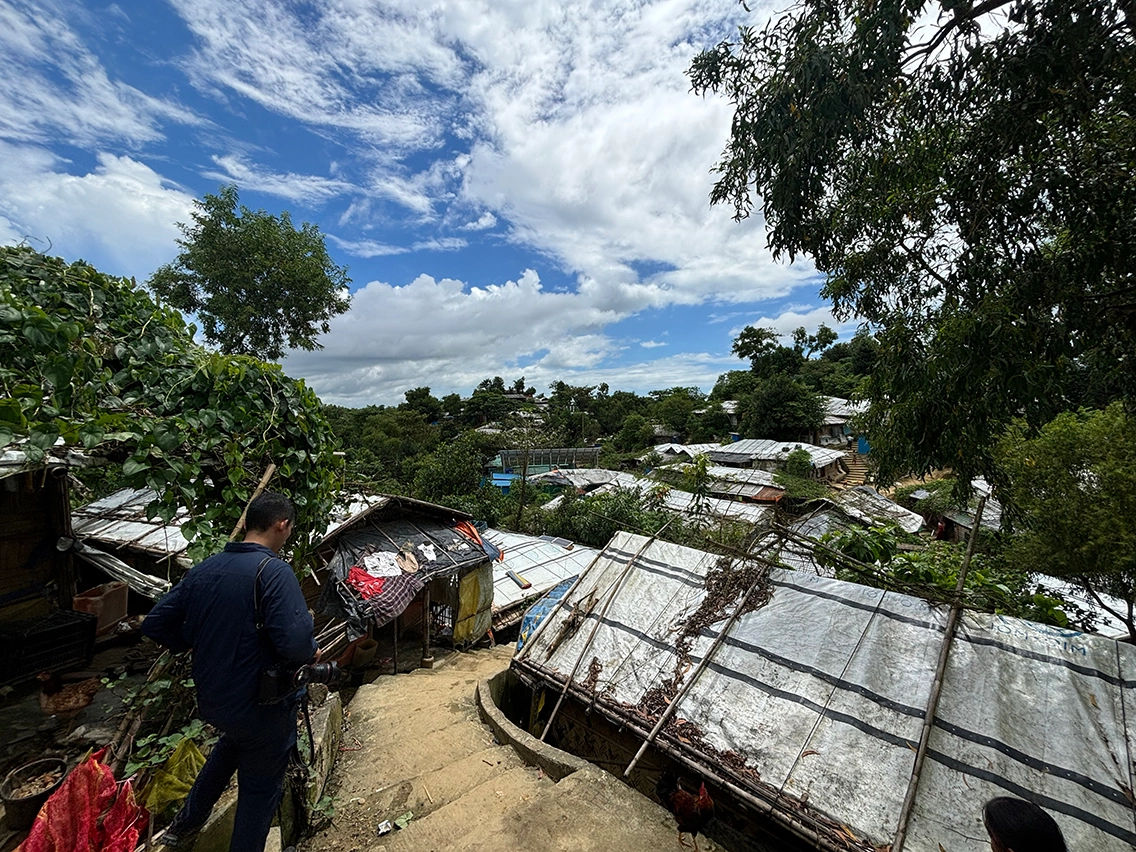
The first question every international journalist or crew member asks is: Can they film in the Rohingya camp?
Yes—film inside the Rohingya refugee camps in Bangladesh, but only with RRRC-approved access, host-organization coordination, and a vetted Rohingya fixer who knows the actors, timetables, and procedural tolerances on the ground. In 2023 alone, over 60% of international media teams requesting camp access were denied or experienced mid-shoot shutdowns—not due to story sensitivity, but due to procedural misunderstandings that a vetted journalist fixer in Cox’s Bazar would have prevented.
The mistake most foreign filmmakers make is assuming that filming in the Rohingya camp in Bangladesh is just another humanitarian reporting location. It’s not. It’s a layered security space with competing custodianship: RRRC for policy, NGOs for access control, site management for tactical permissions, and security agencies that can stop filming even when paper approvals exist. This is where a Rohingya-camp-experienced fixer becomes structural—not to “make things easy” but to make things possible.
Do You Need a Fixer to Film in the Rohingya Camps?
Practically, yes.
Most international media teams filming in the Rohingya camps work with experienced local fixers because access depends on:
- RRRC coordination
- NGO communication
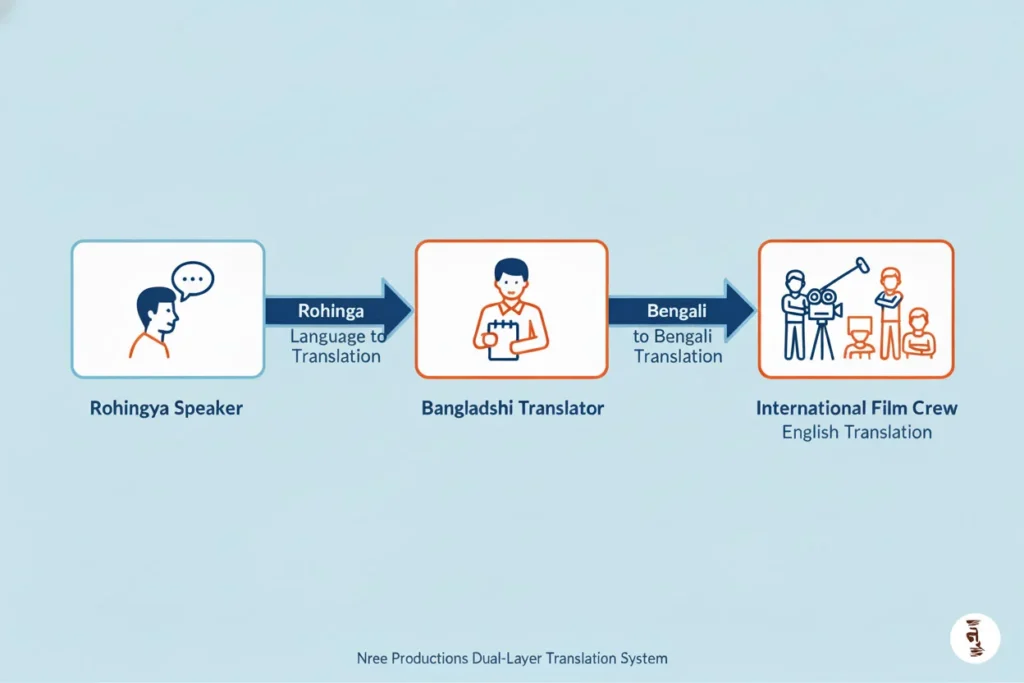
- language interpretation
- security-sensitive scheduling
- consent management
- humanitarian protocol compliance
- on-ground problem solving
A Rohingya-specialized fixer helps media teams:
- secure approvals
- avoid procedural violations
- coordinate interviews
- manage logistical disruptions
- reduce access risks
- maintain ethical reporting standards
Without experienced camp-specific coordination, productions commonly face:
- approval delays
- revoked access
- filming shutdowns
- unusable footage
- security intervention
- damaged institutional trust
Why Rohingya Camp Filming Is Different From Normal Field Reporting
The Rohingya refugee camps are not open reporting environments.
They operate as humanitarian protection zones where movement, filming, and interviewing are regulated through overlapping institutional structures.
Foreign journalists often underestimate how many stakeholders influence access.
Even with valid documentation, filming can still be paused or restricted because of:
- security developments
- protection concerns
- humanitarian sensitivities
- camp-level restrictions
- scheduling conflicts
- changing field conditions
This is why local operational knowledge matters.
An experienced Rohingya fixer understands:
- how permissions actually function on the ground
- which topics require additional coordination
- how to navigate changing restrictions
- where filming may create protection concerns
- how humanitarian stakeholders interpret media behavior
Why a Rohingya Fixer is Not Just a Translator
Most foreign producers think they need a translator; what they actually need is a navigator of permission-bound space. Rohingya camps aren’t open public environments—camera movement is administratively governed, survivor testimony is trauma-sensitive, and even harmless B-roll can trigger intervention from RRRC field staff, NGO protection teams, or security actors.
A Rohingya fixer with real entry history understands invisible lines: where not to lift a camera, which subject groups require prior consent via NGO clusters, and what questions cannot be asked. More critically, each time a foreign crew violates protocol, trust collapses not just for that team but for future teams negotiating entry. Experienced fixers operate as policy interpreters—they do risk-containing choreography so journalists can do journalism.
Case Study: In 2022, a European documentary crew using a Dhaka-based fixer without camp experience had their RRRC approval revoked on day 2 after filming in a protection-sensitive block without proper coordination. The footage was unusable, and the outlet was flagged for future requests. Cost: $40,000+ in wasted production expenses.
How RRRC Approval Works for Journalists & Documentary Crews
RRRC approval is not a single form; it’s a multi-stakeholder negotiation requiring proper framing and timing.
Even with a Bangladesh journalist visa and commissioning letter, you cannot walk into camps and start filming. All media access is governed by a chain of custody: RRRC (Refugee Relief and Repatriation Commissioner) approvals, NGO/INGO host coordination, site management consent, and on-ground security clearance. If any layer says “no,” other approvals don’t override it.
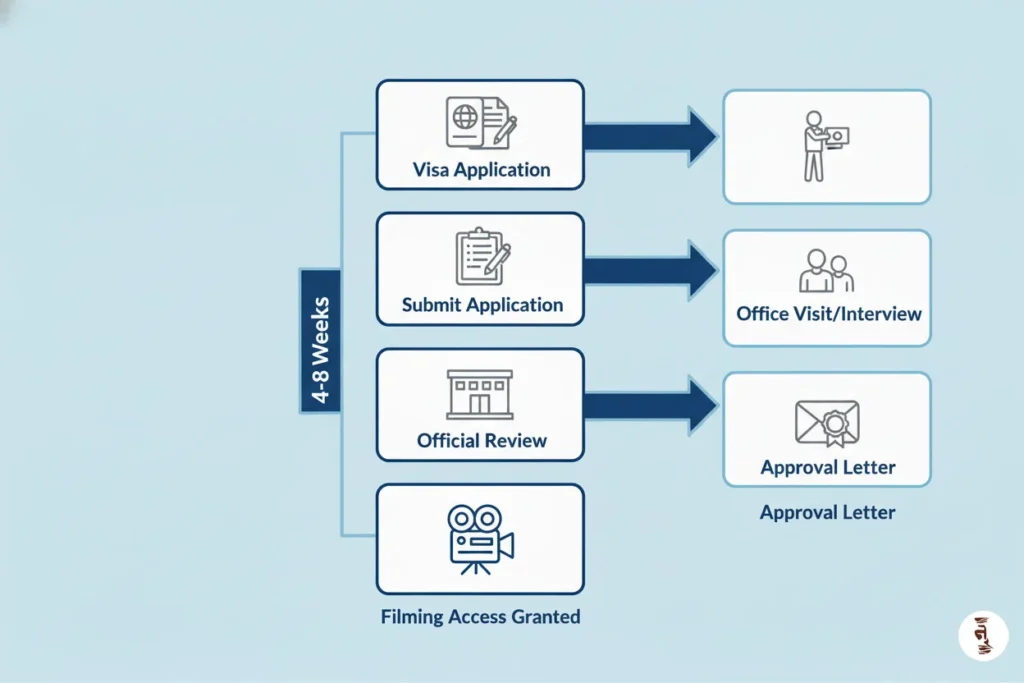
The Actual RRRC Approval Process (Step-by-Step):
- Obtain a Bangladesh Journalist Visa — Apply through the Bangladesh High Commission/Embassy in your country. This is your legal entry document, but it does NOT grant camp filming access.
- Prepare Written Application — Draft a formal application letter specifying:
- What story/topic do you want to cover
- Which specific camp(s) do you need to access (e.g., Camp 4, Kutupalong, Nayapara)
- Proposed filming dates
- Crew details and equipment list
- Attach: Passport copies, visa copies, and commissioning letter
3. Physical Presentation at RRRC Office — You or your Rohingya fixer must present physically at the RRRC office in Cox’s Bazar to apply and submit supporting documents. Your journalist fixer in Cox’s Bazar can represent you if you cannot be present initially.
4. RRRC Review & Host Coordination — RRRC coordinates with relevant NGO/INGO hosts controlling your story sector (health, protection, education, etc.). This is where proper story framing matters most.
5. Approval Letter Issuance — If approved, RRRC issues a letter specifying permitted dates, authorized camp locations, required escorts, and topic restrictions.
6. On-Ground Coordination — Even with RRRC approval, you still need site-level clearance, daily security briefings, and escort confirmation before filming begins.
This typically requires 4-8 weeks minimum from visa approval to filming clearance. Rush requests are almost always denied.
This is where a journalist fixer in Cox’s Bazar with existing relationships becomes essential—they activate the approval chain rather than just holding paperwork.
What a Rohingya Fixer Actually Does Before, During & After a Shoot
A real Rohingya fixer is a pre-production architect, on-site risk-controller, and post-shoot compliance buffer.
Before the Shoot: Access Engineering
- Map NGO sector gatekeepers for your specific story
- Frame requests that institutions can actually approve
- Build fallback story options so one denial doesn’t collapse the schedule
- Pre-negotiate escort positioning and participant briefing protocols
During the Shoot: Real-Time Risk Management
- Read the room and halt cameras before authorities step in
- Enforce trauma-safe interviewing pace with refugees
- Redirect B-roll when zones are blocked that day
- Mediate between crew objectives and on-ground gatekeepers
- Monitor changing security conditions mid-shoot
After the Shoot: Compliance Protection
- Reconcile footage disclosure terms if required by hosts
- Update authorities with factual shoot summaries when expected
- Ensure no protocol breach is escalated against your team
- Maintain institutional trust for your outlet’s future projects
In the Rohingya context, a fixer isn’t a runner—they’re the operational firewall keeping shoots technically compliant and narratively possible.
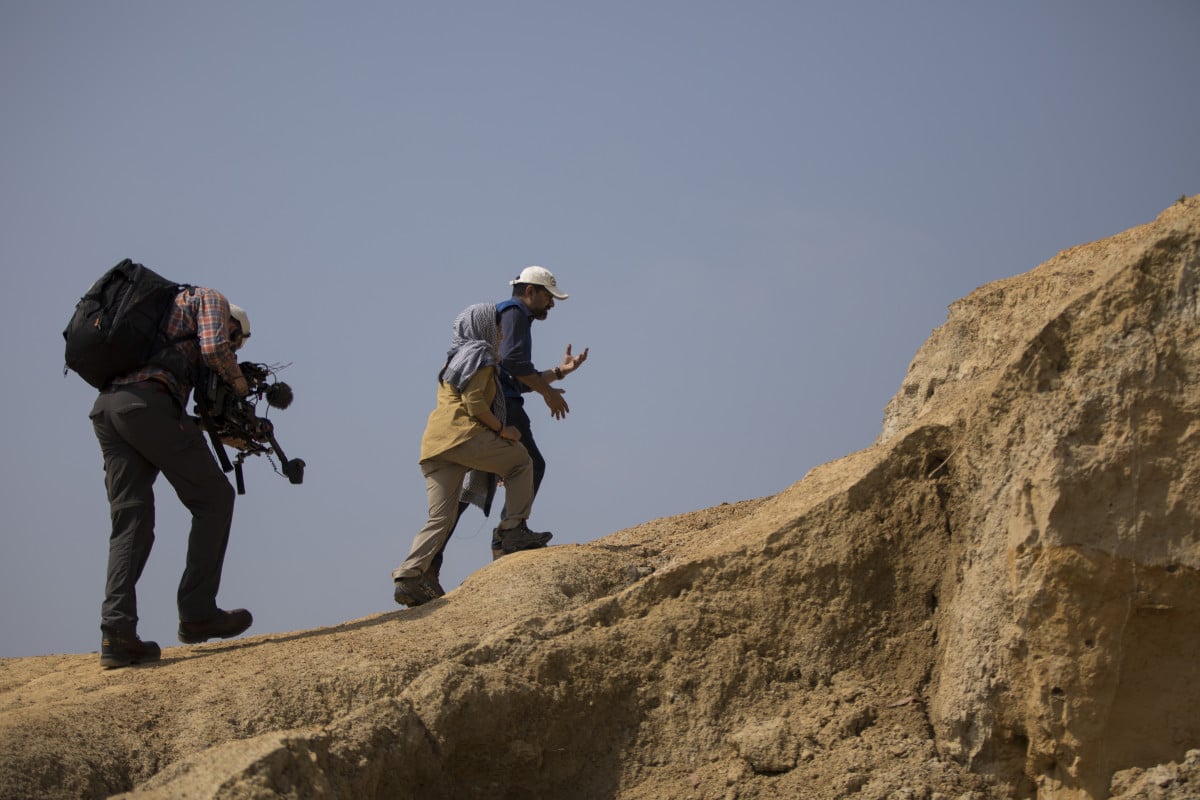
What Separates Rohingya-Specialized Fixers from Generic Bangladesh Fixers
Not every Bangladesh fixer has experience inside the Rohingya camps.
Many Dhaka-based production coordinators understand general filming logistics but have limited camp-entry experience.
Rohingya camp reporting requires additional expertise involving:
- RRRC coordination
- humanitarian communication
- refugee protection protocols
- trauma-informed interviewing
- multilingual interpretation chains
- camp geography
- field-sensitive scheduling
Ethical Reporting in Rohingya Camps
Ethical compliance is a procedural discipline that prevents actual harm and policy backlash.
Refugee camps aren’t symbolic backdrops—they’re protective environments. A survivor of state persecution filmed without proper consent isn’t simply a privacy breach victim—they can become a diplomatic liability or target if that image circulates.
Real ethics when filming in the Rohingya camp in Bangladesh include:
- Non-retraumatizing interview structure (questions staged, not improvised)
- Non-identification of protected groups (GBV survivors, minors, asylum-seekers)
- Consent with comprehension, not “consent under social pressure.”
- No images that can be weaponized politically against the population
- Proper child safeguarding protocols requiring NGO approval—not guardian consent alone
An experienced Rohingya fixer pre-screens topics, intervenes mid-scene if ethical lines are about to be crossed, and cancels access rather than allowing violations with long-term consequences.
When to Contact a Rohingya Fixer (Timing Matters)
Contacting a fixer after landing in Bangladesh is already too late.
Most foreign teams reach out after flights are booked and visas are approved. In Rohingya work, that sequencing is inverted. By the time you land in Cox’s Bazar without a pre-engineered access route, you’ve already lost days or your entire window.
The right moment to bring in a Rohingya-experienced fixer is before your commissioning brief is frozen, not after logistics are set. Early involvement allows the fixer to shape how requests are written so RRRC and host organizations can say “yes”—not reject for tone, scope, or sensitivity framing.
Contact a Rohingya fixer when:
- You have a commissioner interest, but no access plan yet
- Your story involves filming inside camps (not perimeter shots)
- You’re 4-12 weeks out from target shoot dates
- You want to minimize rejection risk before submitting requests
Hire Nree Production as the Best Fixer in the Rohingya Camp
If your assignment involves Rohingya camp entry or ethically high-risk subjects, you need us before you fly—not after.
Nree Productions has entered the Rohingya camps on officially approved media assignments with international broadcasters and documentary units. Our competence isn’t theoretical—it’s proven by teams that filmed inside without getting stopped, reported, or escalated.
Operating from Cox’s Bazar with direct access to Kutupalong, Nayapara, and surrounding camp clusters, we maintain working relationships with UNHCR, IOM, and 40+ NGOs operating across sectors. Our team includes Rohingya community liaisons and Bengali-English-Rohingya language support.
You should contact us when:
- The story involves filming the Rohingya camp in Bangladesh with real access
- You need a journalist fixer in Cox’s Bazar with existing institutional trust
- You have a commissioner, but no access roadmap yet
- You cannot afford to lose your window once you arrive
What to prepare for first contact: → Story angle & target camp areas → Planned shoot dates (or windows) → Sensitivity level (GBV, minors, etc.)
Contact Us for Request Access Consultation
We don’t take every project, but when we take one, we carry it to safe execution.
FAQ: What Journalists Ask Before Entering Rohingya Camps
Yes. A journalist visa gives legal entry to Bangladesh, not legal entry to film inside the Rohingya camps.
Yes. But personal consent doesn’t override protection protocols; host coordination is mandatory for ethical and legal reasons. If not an NGO, then collaborating with a production house like Nree Productions will work just fine
Yes. RRRC, camp admins, NGO teams, or security can halt filming if rules shift or zones are sensitive that day.
Most compliant workflows require 4-8 weeks minimum. Requests framed late or incorrectly often never get approved.
No. Filming is governed at capture, not publishing; blurring later doesn’t legalize unauthorized filming.
Only under strict child-protection protocols with host approval—not by guardian consent alone.
Sometimes, but under tightly controlled ethical conditions with vetted facilitation—not casual interviews.
Conclusion
Filming inside Rohingya camps isn’t unlocked by a visa or camera; it’s unlocked by navigating RRRC policy, NGO gatekeeping, protection ethics, and real-time authority behavior without triggering denial. That’s why a Rohingya fixer isn’t a translator—they’re the operational and ethical spine of the assignment.
If your assignment involves filming in the Rohingya camp in Bangladesh or you require a journalist fixer in Cox’s Bazar with proven, official entry history, contact Nree Productions before you set dates, not after. The cost of getting this wrong isn’t a delayed schedule—it’s loss of access, reputational damage, or an ethically compromised film.
