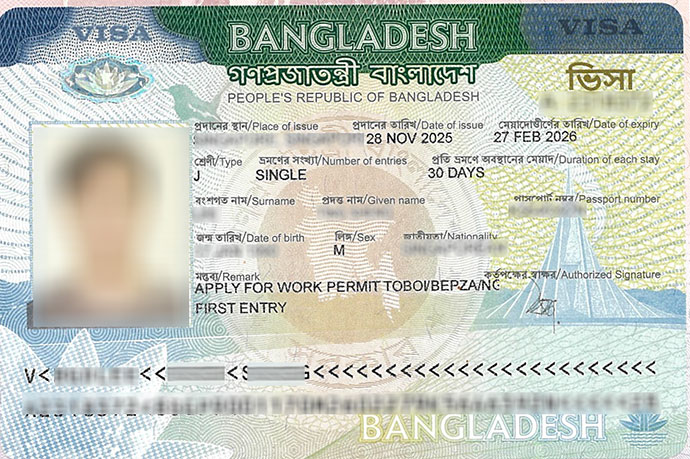
Bangladesh has become an increasingly important destination for international journalists, documentary filmmakers, and media organizations covering South Asia’s culture, economy, environment, development, and current affairs. From human-interest stories and travel documentaries to investigative reporting and OTT productions, foreign media professionals continue to visit Bangladesh for diverse editorial projects.
To work legally and smoothly in the country, foreign journalists and filmmakers must apply for a Bangladesh journalist visa before travel. The process is straightforward when the purpose of the visit, production details, and local coordination are clearly documented.
This guide explains the Bangladesh journalist visa application process, required documents, processing timeline, press accreditation requirements, and filming permissions for foreign media crews in 2026.
What is a Journalist Visa Bangladesh (J-Visa)?
A Bangladesh Journalist Visa (J-Visa), also called a press visa or media visa, is the official visa category for foreign media professionals entering Bangladesh for:
- News reporting
- Documentary filmmaking
- TV or OTT productions
- Interviews and investigative journalism
- Photojournalism
- Broadcast and media coverage
The visa is issued through Bangladeshi missions abroad after editorial and security vetting.
Who Needs a Bangladesh Press Visa?
If you plan to film, interview, or publish, you must apply as media, not a tourist.
You must apply for a press/journalist visa if you are:
- A foreign correspondent or news reporter
- A documentary filmmaker or production crew member
- A YouTube, Netflix, BBC, or OTT documentary team
- A photojournalist or long-form writer
- A researcher collecting publishable media content
- A fixer or producer traveling with a media unit
Even “research-only” trips may require a J-Visa if authorities identify media affiliations, filming equipment, or prior reporting history.
Step-by-Step: How to Apply for a Journalist Visa in Bangladesh in 2026
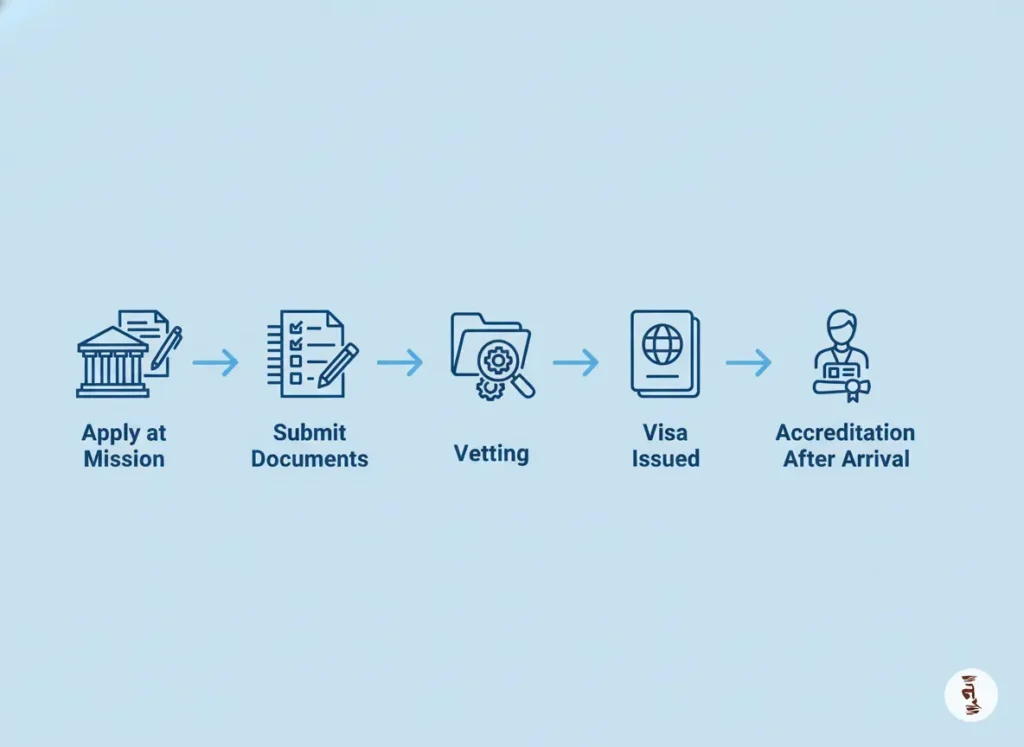
The simple workflow is to apply at a Bangladesh mission in your city or the nearest city, submit necessary papers, wait for vetting, and then travel.
Procedural Steps
- Select a Bangladesh mission in your country and complete the visa form.
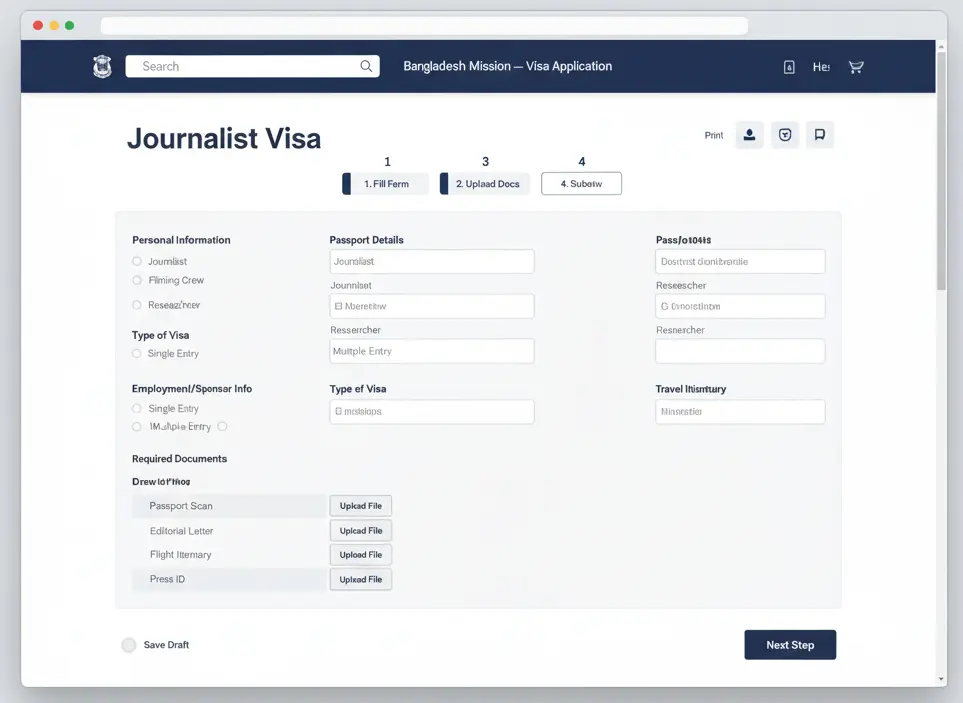
- Prepare supporting documents (passport, photos, editorial letter, itinerary, shooting plan, local contact, etc.)
- Submit per the mission’s process (online or physical)
- The file is vetted by the authorities in Dhaka.
- A visa is issued after clearance.
- Press accreditation/permissions are pursued after entry from PIB
Important: Processing procedures, timelines, and specific document requirements can vary between Bangladesh missions. The London, Washington D.C., and Delhi missions often have the most streamlined processes for media visas. Always check with your specific mission for their current requirements before submitting.
Need a pre-submission review so the file clears without red flags? Contact Us. We support foreign journalists with itinerary formatting, host details, and documentation advisory before you file.
Documents Commonly Required – 2026
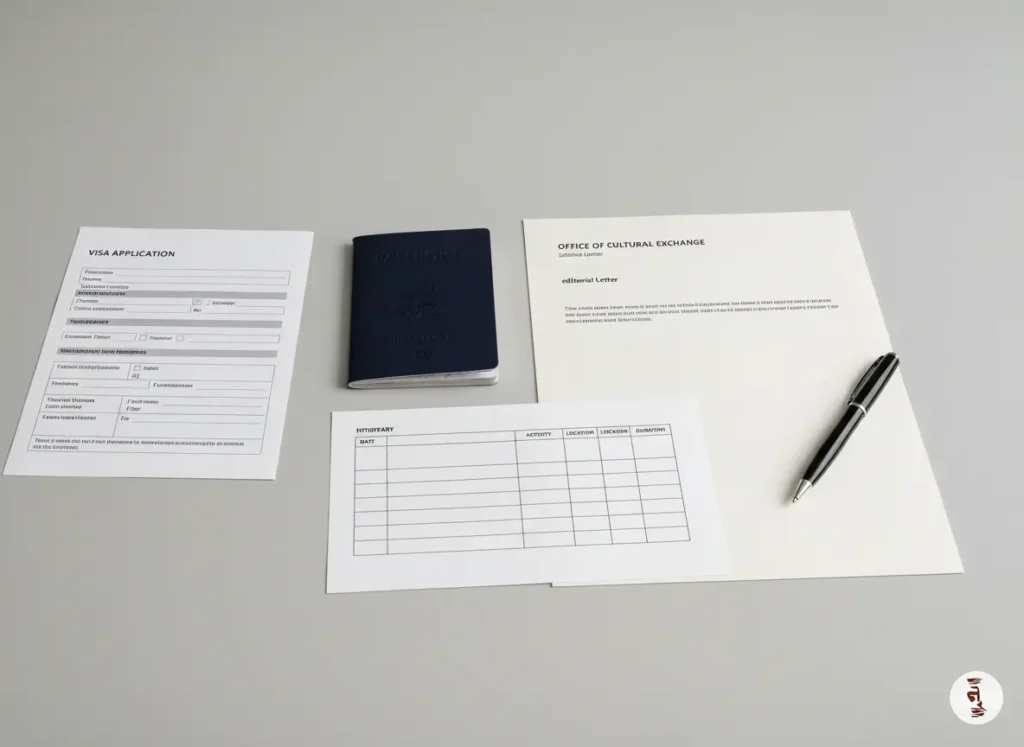
- Valid passport
- Completed journalist visa form
- Recent photographs
- Official editorial or assignment letter
- Synopsis/story intent note (brief)
- Tentative itinerary or schedule
- Equipment list (cameras, drones, audio gear) with serial numbers
- Local contact/host details
- Return ticket (if required)
Press Institute (PI) Clearance for Sensitive Topics
For stories involving political, economic, or sensitive subjects, foreign journalists may need to obtain clearance from the Bangladesh Press Institute (PI) through the Bangladesh mission. This clearance is processed as part of the visa application, but may require:
- Additional story details and context
- Background on previous coverage in the region
- Justification for the public interest angle
Pro Tip: If your story touches on governance, elections, labor rights, religious affairs, or border security, mention PI clearance requirements when you first contact the mission.
Where Delays Actually Happen
Delays are rarely about missing forms — they are about editorial vetting. Local authorities go through your application, and the shooting plant and intent. One thing you must keep in mind is that the final output must not go against or harm the image of the country
Approvals are influenced by:
- Credibility of the commissioning outlet
- Clarity and neutrality of the story description
- Sensitivity of topics
- Whether a local responsible party is listed
- Whether timing appears strategic
Pro Tip: Vague, activist-framed, or evasive letters often trigger more scrutiny than clear and professionally written ones.
Press Accreditation & Filming Permissions After Arrival
The visa allows entry — you still need formal accreditation or permits to actually film.
2025 Update: The interim government issued revised press accreditation policies in early 2025. Foreign journalists should verify current accreditation procedures with their local host or fixer before arrival, as processing times and documentation requirements may have changed.
Two general pathways apply after arrival:
Standard reporting / basic filming
- Press accreditation through the Ministry of Information and Broadcasting (MoIB) or the Department of Films and Publications
- Filming permits issued by the Bangladesh Film Development Corporation (BFDC) for commercial shoots
- Fixer/producer listed as the responsible local contact.
Controlled / sensitive locations
Extra permissions may be required for:
- Border belts
- Sundarbans & protected ecology areas and sanctuaries
- critical infrastructure zones
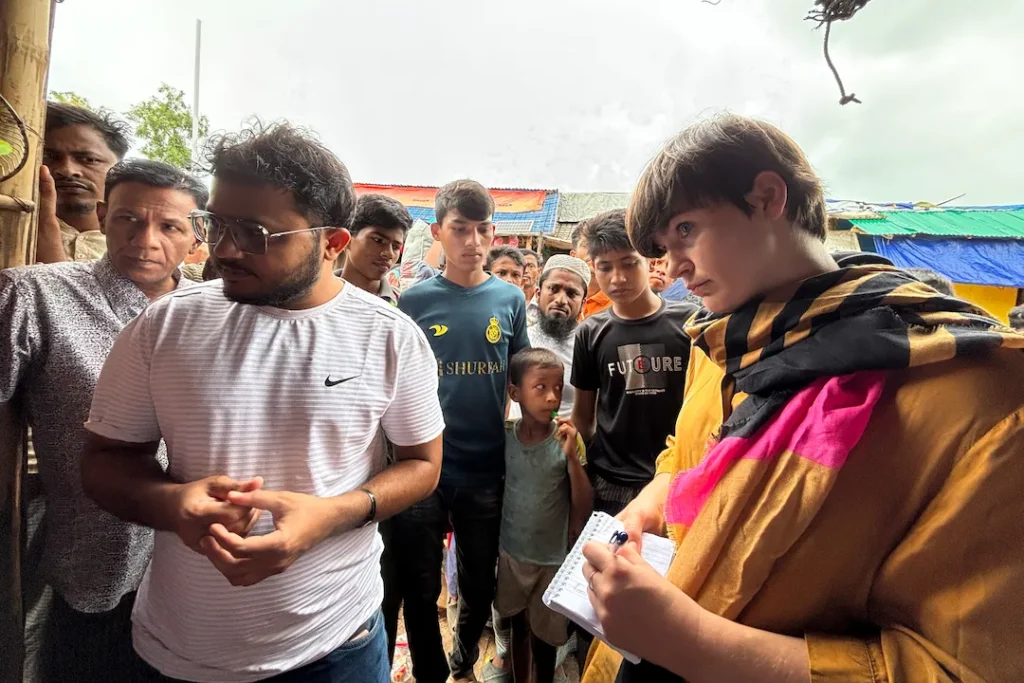
- Rohingya camps and humanitarian response areas
Common Mistakes That Cause Journalist Visa Delays or Rejection
The most common failures are about intent and timing — not paperwork.
The six patterns seen most frequently are:
- Entering as a tourist with media intent
- Editorial letters without a verifiable identity or letterhead
- A synopsis that hides or blurs the real angle
- Sensitive topics without contextual clarity
- No local partner listed (seen as operational risk)
- Applying too close to the intended shoot dates
On field experience: Missions do not need to deny — they can simply not clear in time, which kills the production window.
FAQs about Journalist Visa Bangladesh
It depends on intent and content type. Travel vloggers and content creators filming purely recreational/tourist content in public tourist zones typically face no issues. However, if you’re filming with journalistic intent (interviews, investigative angles, social/political commentary, commissioned documentary work), you must have a journalist visa. If detected working on media projects without proper authorization, crews risk equipment seizure, footage confiscation, production shutdown, or legal action. The line isn’t about profile—it’s about editorial purpose. When in doubt, apply for the journalist visa.
Yes. The rule applies to intent and activity, not employment type. Freelancers can apply with the credentials of their employers. In that case, local partners and fixers and make a real difference.
Processing times vary by mission and case complexity. Most missions quote 3–5 weeks (21+ working days), though some cases clear faster. Stories requiring Press Institute clearance or involving sensitive topics may take 6–8 weeks. Always apply at least 6 weeks before your planned shoot date to account for vetting and potential follow-up requests. Faster decisions are uncommon for media cases
No. These are not the same. Visa grants entry. Accreditation/legal filming permission is a separate step after arrival.
No, you must apply yourself. But a fixer can prepare and structure the file so that clearance is smoother. A fixer can also help when authorities cross-check about the intention and details of the crew. S/he can take care of your media credentials and logistics.
Local authorities can stop filming or confiscate equipment regardless of visa status. They can come and check your credentials anytime if they think you are filming something that you are not authorized to. It’s better to stay clear before the shoot begins.
Conclusion
Foreign journalists and documentary crews must apply for the journalist visa Bangladesh before entering the country. The press visa Bangladesh takes longer than a tourist visa because editorial and security vetting is part of the process. Approval is straightforward when intent is clearly framed, itineraries are credible, and a responsible local partner is identified. Starting early prevents projects from collapsing due to administrative delay.
Contact us if you need on-ground support.
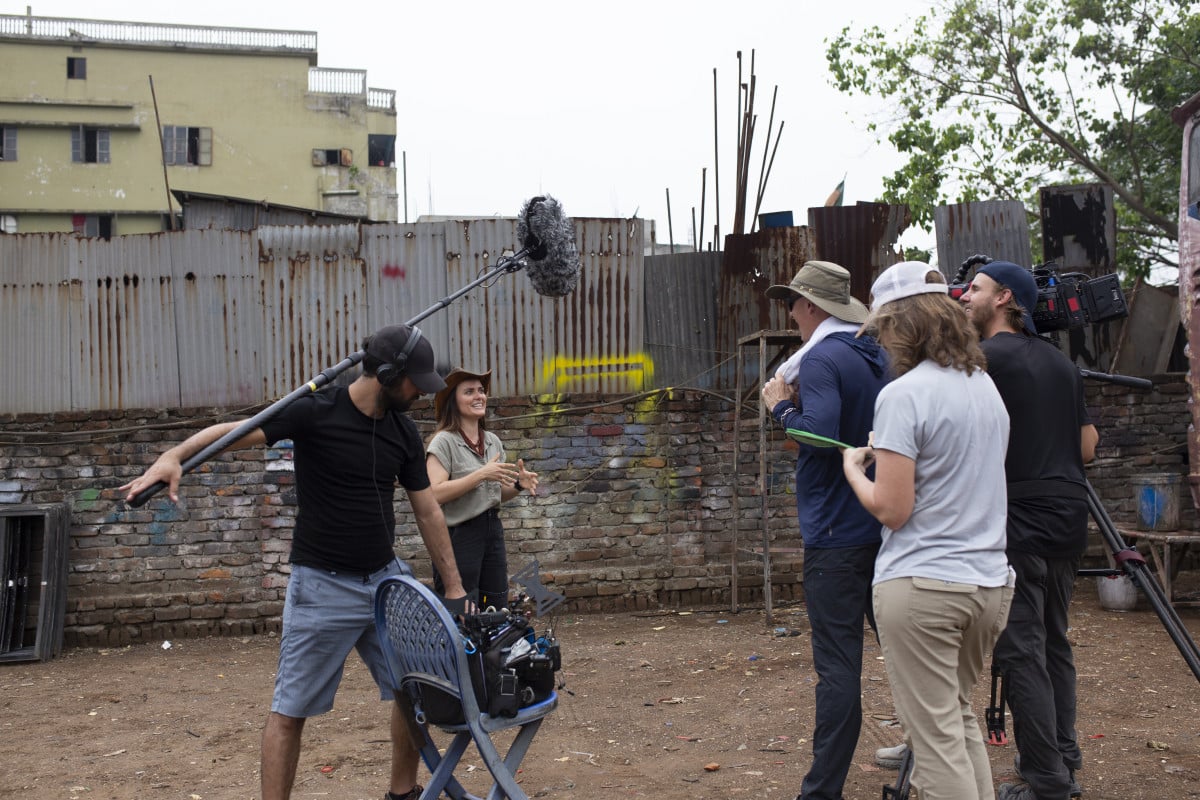
Nree Productions assists foreign media teams with pre-submission advisory, itinerary shaping, local host documentation, post-arrival accreditation, controlled-area permits, and full production logistics across Bangladesh. Know more about us
