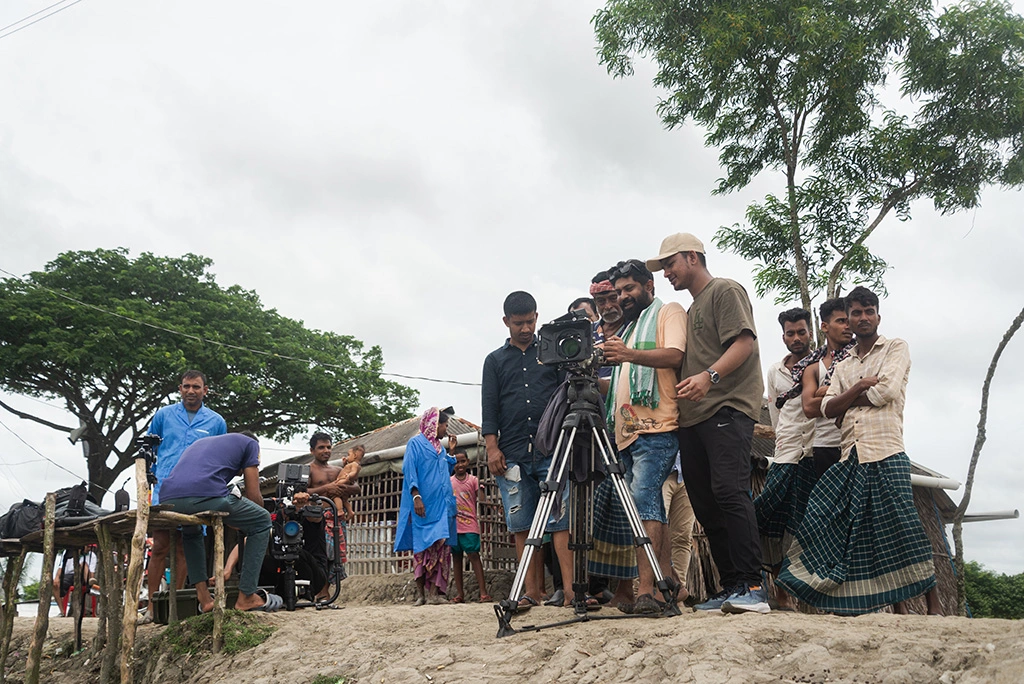
Planning a shoot in Bangladesh is a study in contrasts. You have the chaotic, vibrant density of Old Dhaka and the silent, tidal forests of the Sundarbans. But for international producers sitting in London or New York, the biggest challenge isn’t the geography—it’s the logistics.
A common dilemma we hear at Nree Productions is: “Do I need a fixer to get me access, or a line producer to manage the budget?”
In the world of high-end documentaries and news, the answer is rarely black and white. You might actually need a Field Producer.
Hiring a Fixer unlocks access. A Field Producer brings your story to life. A Line Producer masters budgets and scale. Here’s how to decide – and why many productions find their perfect fit with a hybrid approach.
1. Film Fixer – Your Key to the City
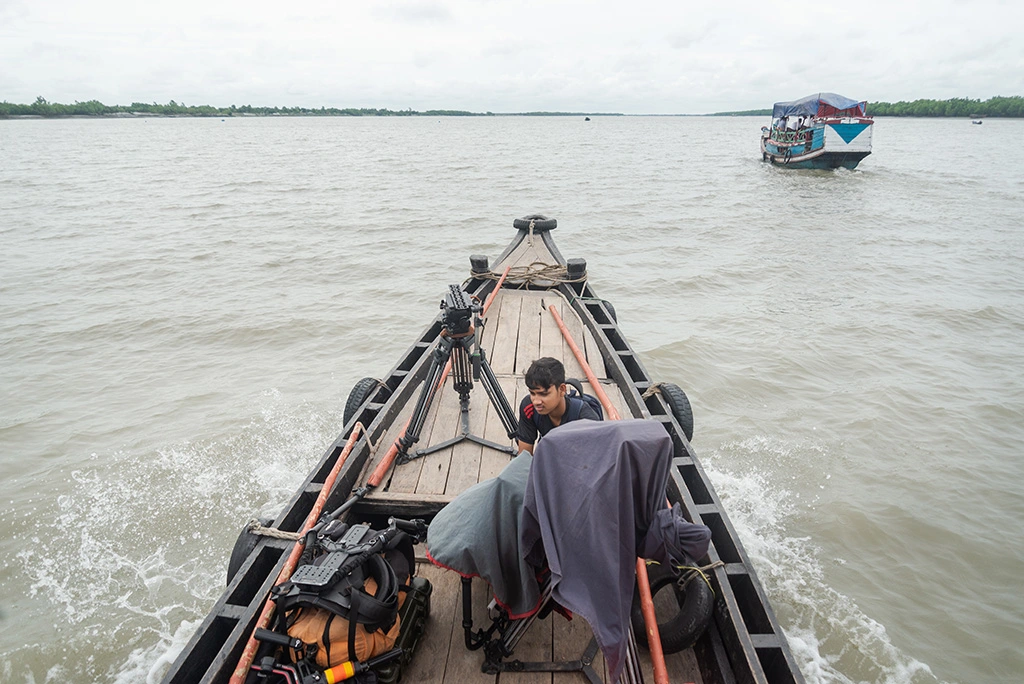
A fixer is a resourceful local expert hired by foreign journalists, filmmakers, or businesses to navigate an unfamiliar area. They handle logistics, secure permits, translate languages, and leverage personal connections to solve complex on-the-ground problems quickly
Core Responsibilities of A Fixer
- J-Visa Approvals: Processes critical FF-1/FF-2 forms through foreign missions for official journalist entry. Read our Journalist Visa detailed guideline.
- PID Press Credentials: Obtains mandatory temporary press accreditation cards from the Press Information Department in Dhaka.
- CAAB Drone Clearance: Submits flight requests to Civil Aviation Authority 45+ days early to avoid airport gear seizure.
- Customs Carnet Logistics: Manages bank guarantees and paperwork for temporary entry of high-end cinema equipment.
- Restricted Zone Access: Secures special Ministry permissions for sensitive areas like Cox’s Bazar refugee camps or the Sundarbans.
- Traffic & Transit Management: Drafts realistic schedules bypassing Dhaka congestion and books regional transport like local launch boats.
- Crowd & Community Control: Manages massive public onlookers in dense areas and mediates with local religious or rural leaders.
- Local Crew Sourcing: Recruits dependable bilingual translators, local sound engineers, production drivers, and security personnel.
When to Hire a Fixer
You need a fixer if:
- You are shooting a Documentary, News Piece, or Travel Show.
- Your crew size is small (under 6 people).
- You are bringing your own key equipment and just need logistics support.
- You need to move fast between multiple locations (e.g., Dhaka to Cox’s Bazar to Sylhet in 10 days).
For a deeper dive into the specific benefits for news crews, read our guide on Why Hire a Fixer in Bangladesh for Film & News.
2. Field Producer – Your Story Partner
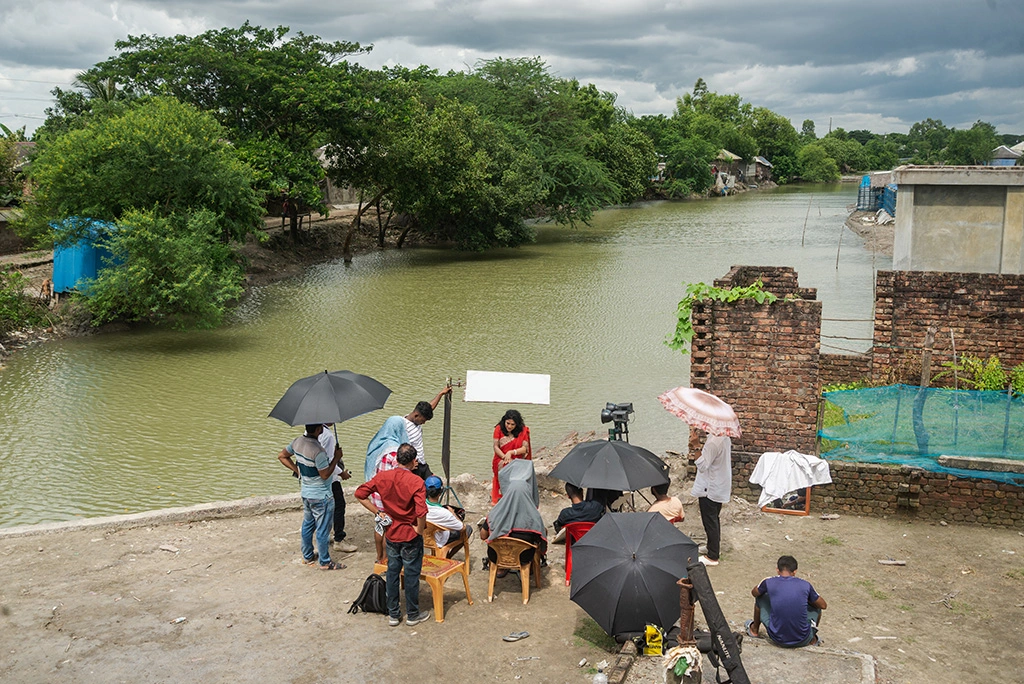
Think of them as: Your “Local Director” & Story Partner.
This is the role most international productions actually need but often forget to ask for. A Field Producer in Bangladesh does everything a fixer does (logistics), but they also contribute editorially.
If your director doesn’t speak Bengali (Bangla), a simple fixer isn’t enough. You need someone who understands the nuance of an interview, can fact-check a source in real-time, and ensure your story holds up.
Core Responsibilities of a Field Producer
- Editorial Research: Finding the right characters, not just any characters.
- Cultural Translation: Not just translating words, but interpreting context. (e.g., Explaining why a source is hesitant to speak on camera about a political topic).
- Interview Conducting: Leading preliminary interviews or asking follow-up questions in Bangla during the shoot.
- Fact-Checking: Verifying claims made by sources against local records or news.
- Logistical Support Overlay: Handles all fixer duties (permits, transport, visas) but with editorial priority – e.g., rerouting a shoot because a better source just became available.
Best For: Investigative documentaries, current affairs (Vice, BBC, Al Jazeera), and character-driven stories where language barriers are a risk.
When to Hire a Field Producer
You need a field producer if:
- Your director or reporter does not speak Bengali.
- You are shooting investigative documentaries, current affairs (Vice, BBC, Al Jazeera style), or character-driven stories.
- You need to verify facts on the ground, not just collect footage.
- Your story depends on trust and nuance – not just access.
- You have a small to mid-size crew (2–8 people) but need editorial depth.
3. What is a Line Producer in Bangladesh?
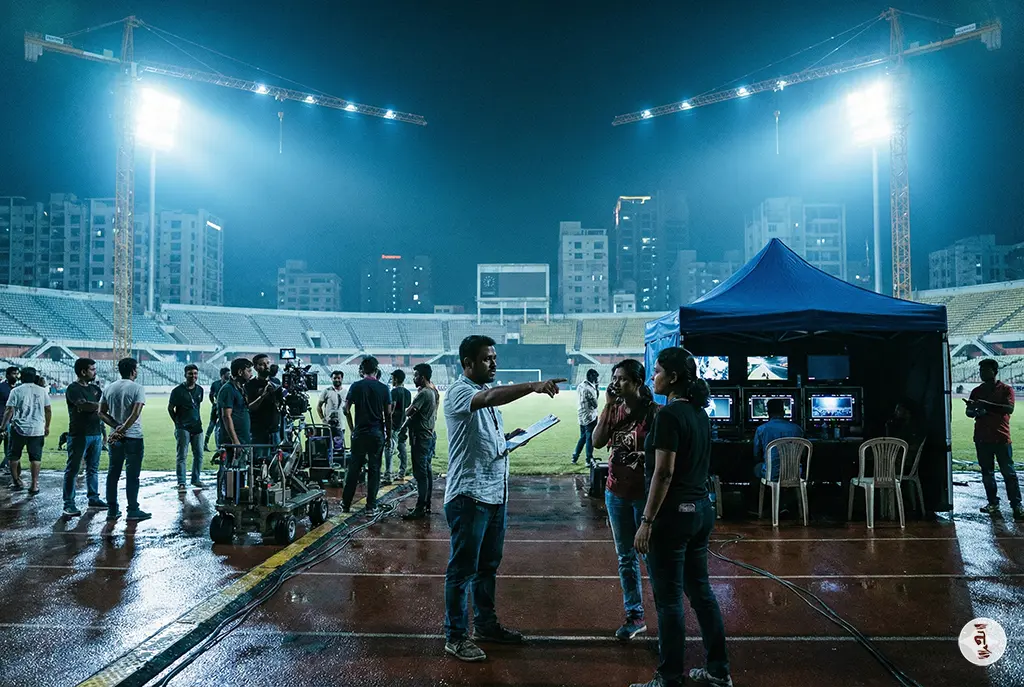
A Line Producer is your “CFO and COO.” They handle budgets, schedules, and crew hierarchy.
A Line Producer in Bangladesh focuses on the macro-management of the production. They are responsible for the “below-the-line” budget and ensuring the creative vision is delivered without overspending. They are less likely to be negotiating with a street vendor and more likely to be negotiating with rental houses and unions.
Core Responsibilities of a Line Producer
- Budget Management: Creating a detailed budget in BDT and USD, tracking petty cash, and managing vendor payments.
- Hiring Local Crew: Sourcing Gaffers, ACs, and Sound Recordists from trusted local pools (like the Nree Productions crew roster).
- Equipment Deals: Negotiating package deals for lights, grips, and generators from major rental houses in Dhaka.
- Scheduling: Creating the Call Sheet and shooting schedule, ensuring the production respects local labor laws and turnaround times.
Best For: TV Commercials (TVCs), Feature Films, Reality Shows (Amazing Race style), and massive-scale documentaries.
When to Hire a Line Producer
You need a Line Producer if:
- You are shooting a TV Commercial (TVC), Feature Film, or Reality Show.
- Your budget exceeds $50,000 USD.
- You need to hire a large local crew (10+ people) and rent heavy equipment locally.
- You require complex financial reporting for a studio or network back home.
Fixer vs Field Producer vs Line Producer: The Comparison Table
For a quick decision, compare the roles based on 2026 industry standards in Bangladesh.
| Feature | Film Fixer | Field Producer | Line Producer |
| Primary Focus | Access, Logistics, Visas | Story, Characters, Interviews | Budget, Schedule, Crew Management |
| Hierarchy | Works independently or supports Producer | Partners with Director | Manages the entire local crew |
| Equipment | Clears your gear through customs | clears gear + basic operation | Rents local gear & negotiates deals |
| Locations | Scouts & Secures (Tactical) | Scouts for Story Potential | Manages Unit Base (Strategic) |
| Ideal Project | Docs, News, Small Units | Investigative Doc, Features | TVC, Features, Large Units |
| Payment Model | Daily Rate + Expenses | Daily Rate (Higher Tier) | Day Rate, Weekly Rate, or % of Budget |
2026 Rates: What Does It Cost?
Understanding the costs in Dhaka vs. international markets is vital for your budgeting. Based on Nree Productions’ 2026 Rate Card, here is what you should expect to pay.
Fixer Rates
- Standard: $250 – $400 USD / Day
- Includes: Journalism background, editorial input, high-level access, translation.
Field Producer Rates
- Specialist: $350 – $600 USD / Day
- Includes: Journalism background, editorial input, high-level access, translation.
Line Producer Rates
- Commercial/Feature: $400 – $700 USD / Day
- Alternative: 5-10% of the total below-the-line budget.
- Includes: Full financial oversight, crew contracting, and liability management.
2026 Production Alert: Ramadan is expected to begin around February 18, 2026. This overlaps with the peak dry season for filming.
- Fixer Note: Will navigate food logistics during fasting hours.
- Line Producer Note: Will adjust schedules to accommodate Iftar breaks and shorter daylight hours.
Which One Do You Need? (Real Scenarios)
Scenario A: The Tiger Documentary (Sundarbans)
- Crew: 3 people (Director, DoP, Host).
- Need: Forest permits, boat hire, armed guards.
- Verdict: Hire a Fixer.
- Why? You need bureaucratic access and logistical survival. You don’t need a spreadsheet manager; you need someone who knows the Forest Department officers.
Scenario B: The Investigative Report (Garment Workers)
- Crew: 2 people (Journalist, Camera).
- Need: Access to factories, sensitive interviews with workers, translation.
- Verdict: Hire a Field Producer.
- Why? A generic fixer might get you to the gate. A Field Producer will build trust with the workers, translate the nuance of their grievances, and keep you safe while asking hard questions.
If you are unsure if your project classifies as a narrative feature or a documentary, check our breakdown: Documentary vs. Movie: Understanding the Difference.
Scenario C: The Telecom Commercial (Dhaka)
- Crew: Director + DoP flying in. Needs 40 local crew members, lighting truck, studio hire.
- Verdict: Hire a Line Producer.
- Why? You have a payroll to manage. You need insurance, catering for 50 people, and generator trucks. A fixer cannot manage this scale alone.
Scenario D: The “Hybrid” Approach
Project: A high-end travel show for Netflix.
- Verdict: Hire Both (or a Production Service Company).
- Why? You need the Fixer to get the visas and clear the airport customs, and the Line Producer to manage the 3-week schedule and budget.
How Nree Productions Bridges the Gap
At Nree Productions, we realized that modern productions often blur the lines. A documentary crew might need cinema lenses (Line Producer territory) but also needs to film undercover in a market (Fixer territory).
We offer a scalable service model:
- Fixing Services: For nimble crews needing permits, visas, and transport.
- Field Production: For storytellers who need an editorial partner on the ground.
- Line Production: For large-scale executions requiring full budget management.
Ready to start filming? Don’t let the logistics of Dhaka slow you down. Whether you need a fixer to open doors or a line producer to manage the books, we have the team ready.
Contact Nree Productions for a Quote
FAQ: Frequently Asked Questions
Generally, no. A Line Producer or a registered Production Service Company (like Nree) is required to sign legal vendor contracts and liability waivers. Fixers usually operate on a “cash and receipts” basis for smaller expenses.
It depends on the location. General shooting requires ~7-10 working days. Sensitive areas (Drone usage, border areas, or refugee camps) can take 3-4 weeks. Your fixer should apply for these before you arrive. Read our compehensive guide to know more about Filming Permits in Bangladesh.
It is highly recommended. While you can walk into a rental house, a Line Producer has established accounts and can negotiate light packages that a visiting producer won’t get.
If you don’t speak Bengali (Bangla), a Fixer is non-negotiable. They act as your cultural translator. Line Producers often speak excellent English, but their primary job is management, not translation. If you need someone to translate interviews in rural areas, hire a Fixer or a dedicated translator, not a Line Producer. Please visit our Media translation and transcription service page to know about about this.
Absolutely not. This is the most common mistake foreign crews make. If you are caught filming professionally on a Tourist (T) Visa, you risk equipment confiscation, deportation, and a ban from re-entry. You must apply for a “J” (Journalist) Visa or relevant Filming Visa. Nree Productions provides the necessary invitation letters to sponsor this process.
Yes, but with strict regulations. You cannot simply fly a Mavic Mini in Dhaka. Drone usage requires specific permission from the Civil Aviation Authority of Bangladesh (CAAB) and often clearance from local intelligence agencies, which takes 3-4 weeks. A Fixer or Line Producer must secure this before your gear arrives at customs to avoid seizure at the airport.
Conclusion: Making the Right Choice for Your 2026 Production
Understanding the distinction between a Fixer and a Line Producer is the first step toward a successful shoot in Bangladesh.
- Choose a Fixer when you need agility, government access, and immediate logistics for news or small units.
- Choose a Field Producer when you need an editorial partner to find characters, conduct interviews, and ensure story accuracy.
- Choose a Line Producer when you need financial structure, heavy equipment, and crew management for commercials or features.
Many of our international clients at Nree Productions discover that the “sweet spot” is often a team approach: A Line Producer to manage the macro-logistics and a Fixer to navigate the local terrain.
Before you book your flight to Dhaka, assess your project’s complexity. If you are still unsure, our team is happy to hop on a call and advise you on the most cost-effective structure for your specific script.
